
Stiff Upper Lips and Sturdier Corsets: The Gender Rebels of the British Empire
In the rigid social geography of the Victorian British Isles, your gender was your destiny—unless you possessed a skilled tailor and a pathological commitment to the bit.

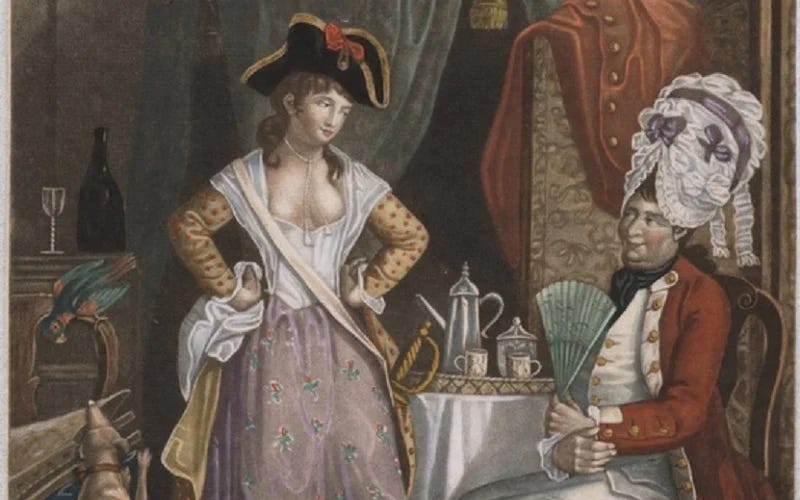
While the “Separate Spheres” aimed to keep women in the parlor and men in the counting-house, a daring collective of rebels realized that the patriarchy’s greatest weakness was its own dress code.
If one could master the cravat, one could, it seemed, master the Empire.
I. The Mechanics of the Metamorphosis
Living as a different gender in 19th-century Britain was less about a convincing baritone and more about mastering the era’s spectacular obsession with elaborate costuming. To navigate a world that viewed an exposed ankle as a civic crisis, these individuals employed a variety of practical, if uncomfortable, deceits.
The “Trousers” Strategy (Passing as Male):
The Bound Chest: Before the invention of modern compression fabrics, the “androgynous” look was achieved through tightly wrapped bandages or modified corsets designed to minimize rather than emphasize. Dr. James Barry famously wore oversized, towel-padded coats to square off a slight 5-foot frame.
The Great British Beard: The Victorian obsession with dense facial hair provided a forest of cover for soft jawlines. For those lacking natural assistance, high starched collars and “toothache” bandages served as effective masks for a missing Adam’s apple.
The “Split” Secret: Managing biological realities required ingenuity. Many used “split-crotch” drawers, a standard undergarment of the time that allowed them to use public “halting stations” without needing a private room or revealing their anatomy to the local constabulary.
The “Molly” Strategy (Passing as Female):
The “Slap” (Makeup): In an age of minimal cosmetics, rebels used heavy theatrical greasepaint to hide “five o’clock shadows.”
The Hourglass Illusion: Achieving the required shape relied on tight-lacing corsets, detachable hip pads, and bustle pads to create that “unnatural” jut of the hips so beloved by the era’s fashion plates.
Breast Forms: Individuals used hand-sewn bags stuffed with cotton, wool, or sponges. By 1874, patented forms used air-filled rubber to simulate natural movement.
II. British Profiles in Defiance
The Inspector General: Dr. James Barry (c. 1789–1865)
Born Margaret Ann Bulkley in Cork, Barry’s transformation was a family conspiracy to ensure he could receive the medical education denied to women at the University of Edinburgh.
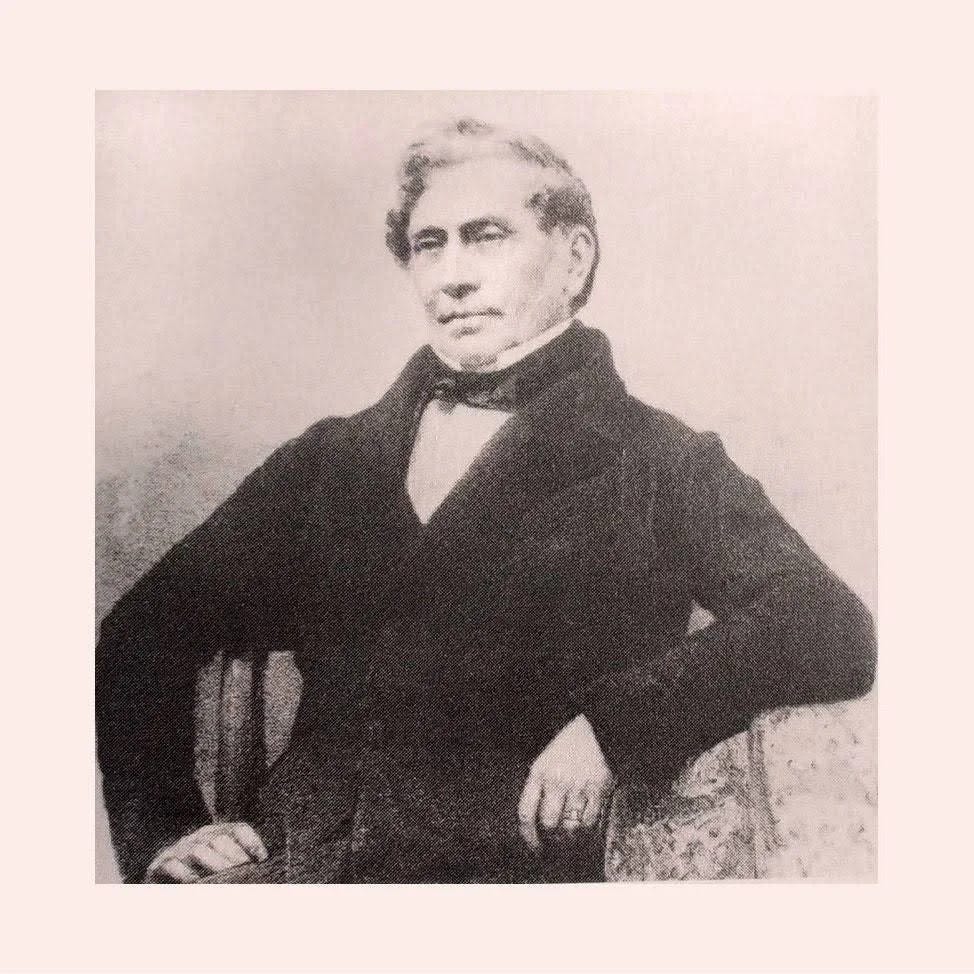
The Career: Barry rose to Inspector General of Hospitals, the second-highest medical rank in the British Army. He performed the first successful cesarean section by a European in Africa.
The Persona: To compensate for his stature, Barry adopted a notoriously abrasive personality, once challenging a fellow officer to a duel for mocking his voice. Even Florence Nightingale described him as a “brute.”
The Discovery: His secret held for over 50 years. Only after his death in London did a charwoman discover his biological sex, claiming to have found stretch marks on his abdomen—a final, silent “I told you so” to the British Army.
The Shipyard Legend: James Allen (1787–1829)
A shipyard worker from London who lived as a man for 21 years and was legally married to a woman, Mary Allen, for over two decades.
The Life: James was a well-respected laborer known for his physical strength in the docks. His marriage was described by neighbors as remarkably stable, adhering to all the traditional roles of a Victorian household.
The Discovery: James’s identity was only revealed following a fatal accident at a shipyard. When his body was taken to St Thomas’ Hospital, the discovery caused a national sensation, with London newspapers obsessing over how he had managed to “deceive” a wife for 21 years without a hint of suspicion.
The “He-She Ladies”: Fanny and Stella (1847–1913)
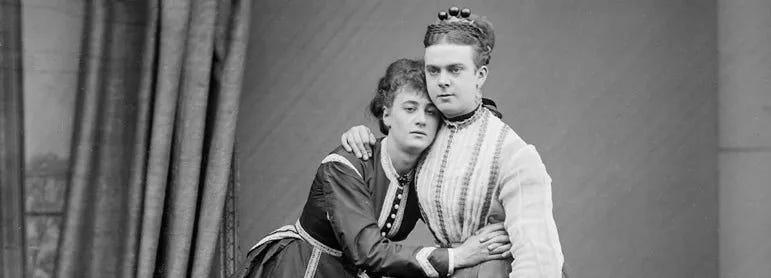
Ernest Boulton (Stella) and Frederick Park (Fanny) lived a flamboyant existence in London’s West End.
The Performance: They lived daily in gowns, attending the opera and social galas. Stella even lived as the “wife” of Lord Arthur Clinton, an MP who reportedly treated the relationship as a legitimate marriage.
The Trial: Arrested in 1870, they faced humiliating medical examinations as the state tried to prove “unnatural acts.”
The Acquittal: The jury found them not guilty, accepting the defense that they were simply “young men with an eccentric taste for amateur theatricals”—a verdict that essentially legalised “doing it for the bit.”
III. The Molly’s Toolkit: A Polari Glossary
Underground queer circles gathered in Molly Houses and used Polari to speak openly in front of the Lily Law (police).


IV. Modern Echoes: Reclaiming British Queer History


Albert Nobbs (2011): Set in 19th-century Ireland, a woman lives for decades as a male butler to survive economic hardship, only to have her world challenged by a house painter with a similar secret.
Gentleman Jack (BBC/HBO): While Anne Lister lived as a woman, she reclaimed masculine power through her “gentlemanly” wardrobe (top hats, hitched-up pants) and business conduct, explicitly constructing a butch sapphic identity.
Tipping the Velvet (2002): Follows Nan Astley, who begins her journey as a “male impersonator” in Victorian music halls. The series explores how performing as a man allows her to navigate different social strata and sexual subcultures.
The Victorian Underground (Molly Houses & Subculture)
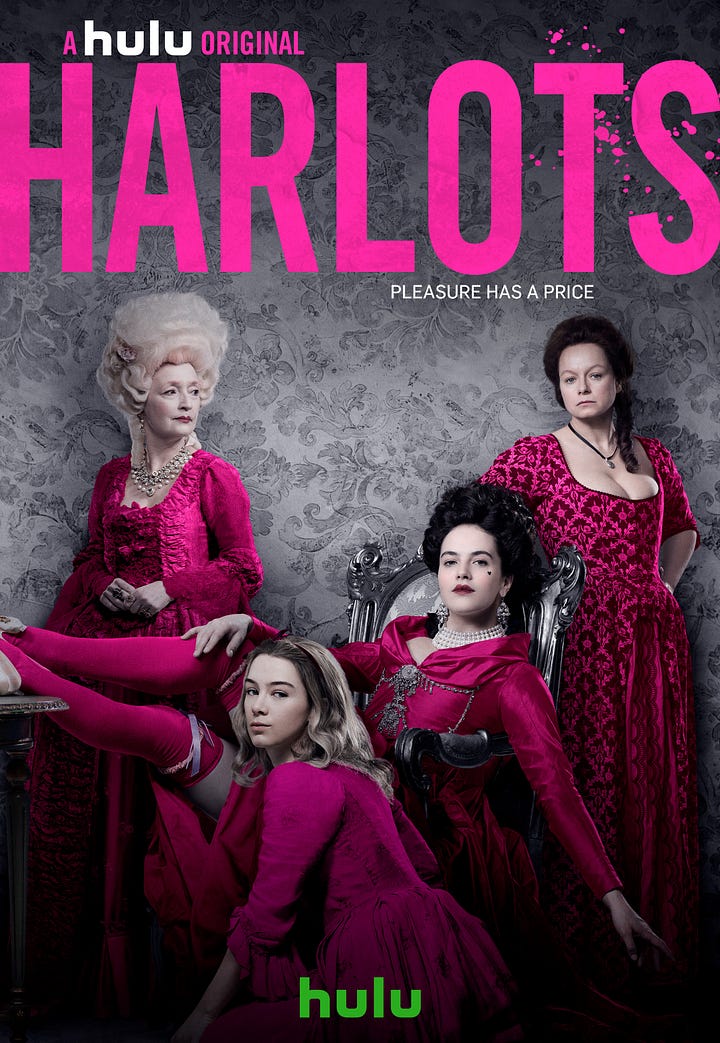
Harlots (ITV/Hulu): Features a vivid depiction of a Molly House, showing a safe haven where men dressed in gowns, held “mock births,” and formed a protected family-like community.
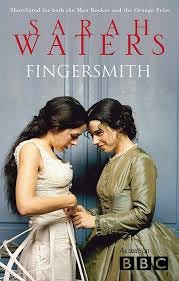
Fingersmith (2005): While focused on a sapphic romance, it explores the gritty Victorian underworld where identity is a performance used for survival and deception.
Suppression and Legal Erasure
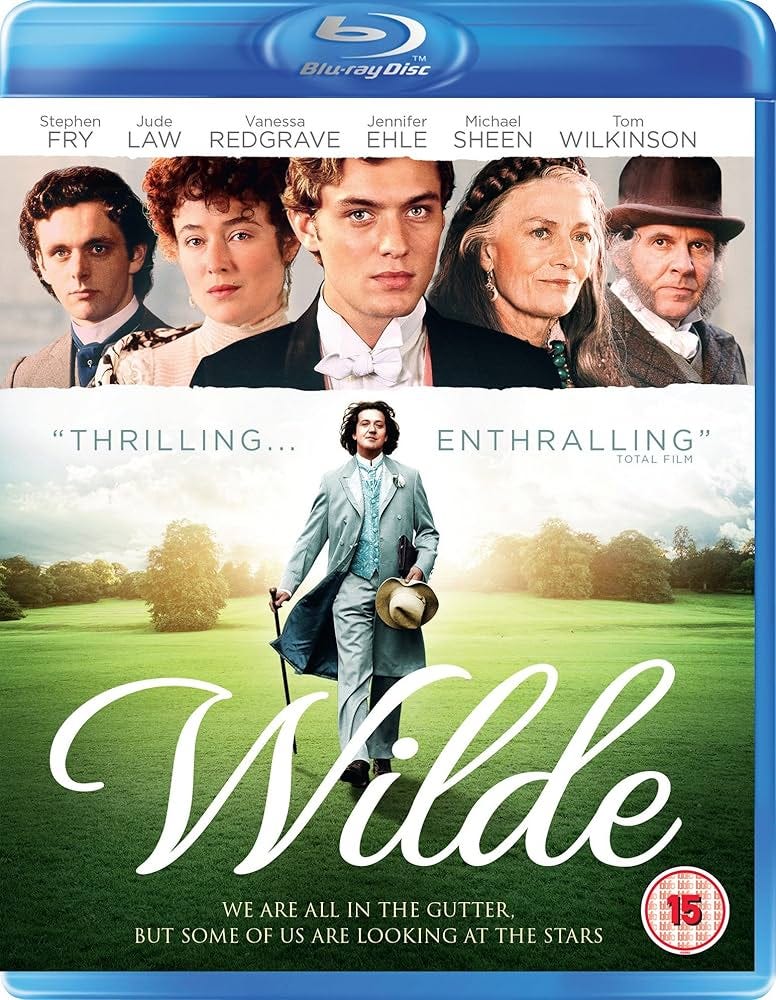
Wilde (1997): Documents the fall of Oscar Wilde, illustrating the exact legal shift that made the “hidden” queer life of the mid-Victorian era a prosecutable crime.


V. Conclusion: The Legacy of the Border-Crossers
The gender rebels of the 19th century were not “eccentric” outliers; they were the first to demonstrate that the Victorian “Separate Spheres” were not walls, but permeable membranes.
For women like Dr. James Barry and James Allen, living as men was an act of radical agency. By refusing to be “feme covert,” they proved that womanhood was socially constructed. For the Mollies, the performance was one of authenticity. They traded the “protection” of the patriarchy for the peril of the pillory, proving that even in the most repressed century in history, there were those who refused to be anything other than bona.